Make another submission of work in progress as a tightly edited, sequenced series. You may have continued to shoot; you may have changed direction since your last feedback report. However, your project has developed, make the development clear in the image selection. Pay particular attention to how you will use words alongside your images (captions, titles or additional ‘relay’ type text) and re-frame your images accordingly
The Backbone of Ngawi
Background and summary from Assignment Three
Since the submission of Assignment two I have been reviewing each of the themes I suggested and believe that for me the strongest is the one based around the women of Ngawi. The feedback following my last assignment was good and my tutor has been happy with how each of my themes were developing.
Since I last spoke to my tutor, I have taken on board his suggestions around how my original thoughts about rural New Zealand has changed and how this is reflected in my images, from expecting a poor level of mental health, community, unemployment and standard of living to one of a real Kiwi ‘can do’ attitude. It is true that the rural communities within New Zealand are often over looked by Government Agencies, with funding being poured into the larger inner-city services, but that doesn’t mean these small isolated locations are not coping, in fact it’s quite the opposite. The communities seem to be stronger despite the lack of funding for local infrastructure and medical facilities, some having to travel for hours to see a doctor. They pull together and fix things, make do and support one another.
I have documented my progress in both my ‘Work in Progress’ and ‘Thoughts and Reflections’ sections of my blog site. I have also continued to research other photographers and styles as suggested by my tutor. I didn’t think that the staged, formal approach of Grace Lau would work for my subjects. It was difficult enough to gain their trust and spend time with them as it was without asking them to pose in a studio type set up, so I was particularly drawn to the work of Tessa Bunney, a documentary photographer who is interested in the different environments that are shaped by human intervention. From her website she states: ‘For over 25 years, I have photographed rural life, working closely with individuals and communities to investigate how the landscape is shaped by humans. From hill farmers near my home in North Yorkshire to Icelandic puffin hunters, from Finnish ice swimmers to Romanian nomadic shepherds my projects reveal the fascinating intricacies of the dependencies between people, work and the land.’
Her most current project ‘FarmerFlorist’ looks at the ‘artisan’ cut-flower farms that recently started to grow in numbers within the UK. Looking at the images on her website I like how she is an observer, not disturbing the farmers as they go about their daily working life. The portraits are in the environment, often not seeing the subjects face, hidden behind their flowers, no direct camera interaction which seems to be the fashion at the moment. This is very much the style I’m trying to achieve with my images of the women of Ngawi. As the images rotate through the display they are punctuated with text from the growers. These have obviously been gathered from her interactions with them. I don’t get a feeling that she is intruding in any way – leaving only a few footsteps and taking only photos. Text isn’t something I had considered, wanting the images to tell the story, however the majority of presentations I have listened to over the last six months or so have all highlighted the importance of text, caption or notations.
Editing Selection
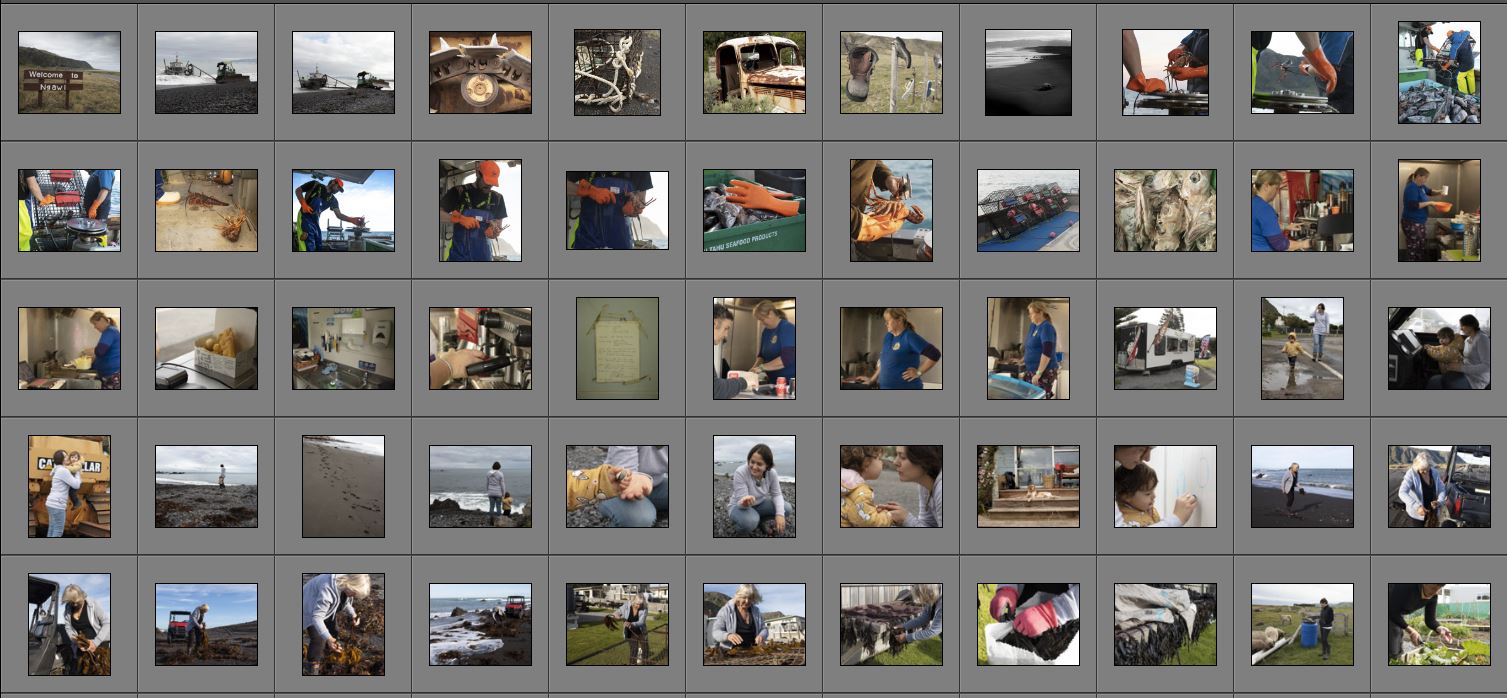
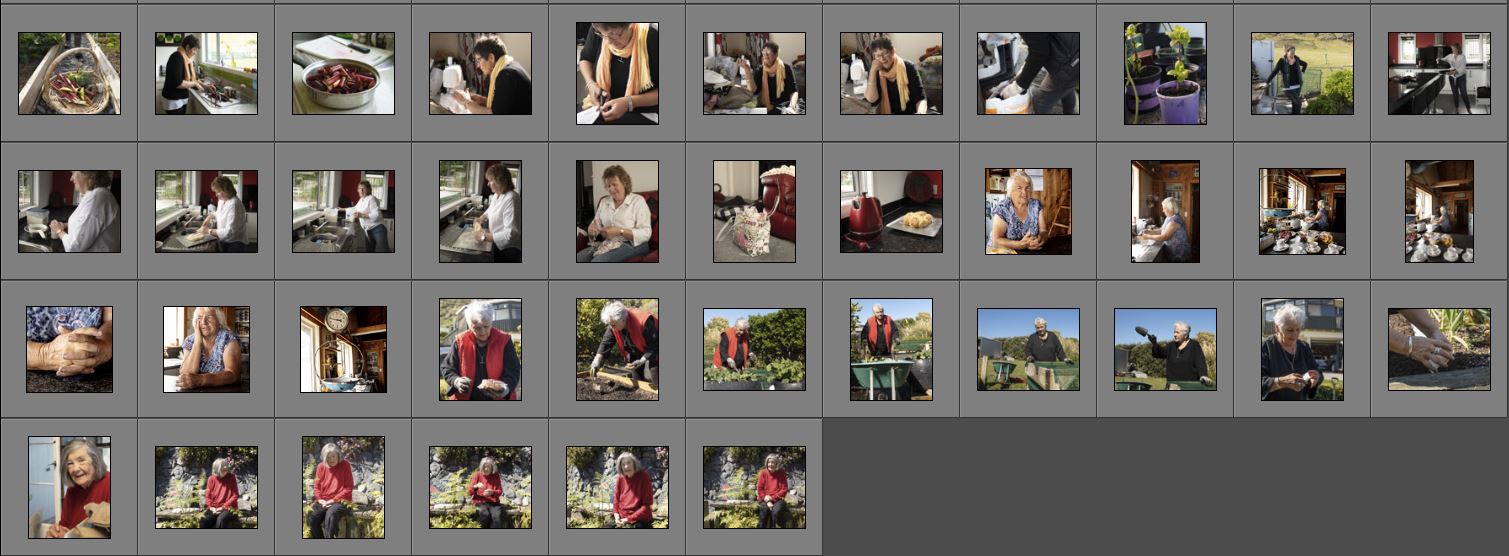
Initially I thought I could easily complete the editing process within Lightroom or as one fellow student suggested Padlet, but with over four thousand images it would have been a little impossible. After each trip to Ngawi my images were processed and I preselected a number that at the time I thought worked either as a general introduction to Ngawi or as the project progressed one of the four themes that formed over the time and my repeat visits and discussions with other students and my tutor. I placed these into an editing folder within Lightroom, resulting in around ninety images:
As the use of software was not successful or giving me full visibility of the complete series, I decided to process a number of small prints that I could easily move around the dining room table. I have provided a full description of the process and the issues I had along the way in my ‘Work in Progress’ section of my blog. Once printed I sorted in to sections; general images of the location, Cray Boat images and then each of the ladies: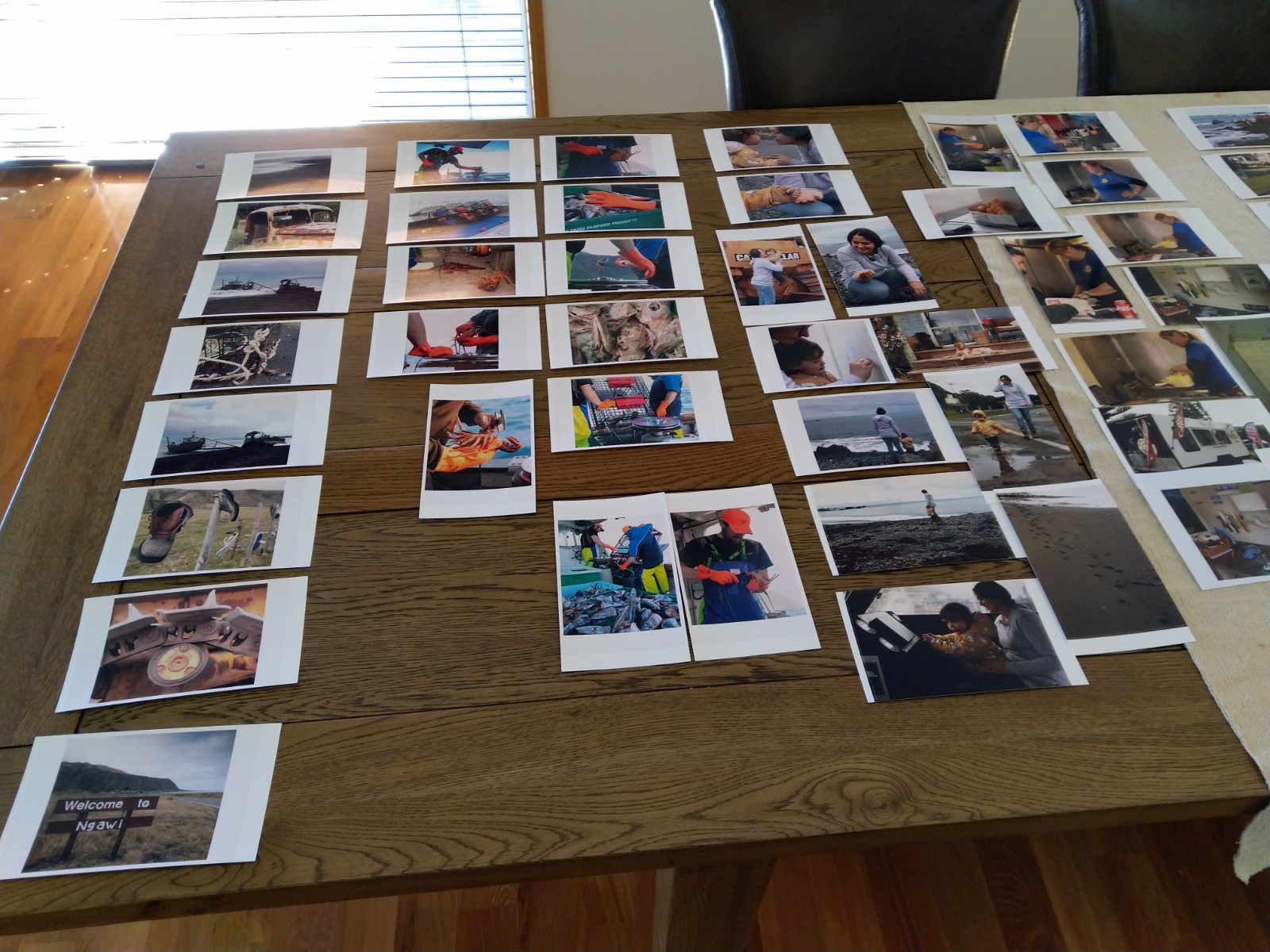
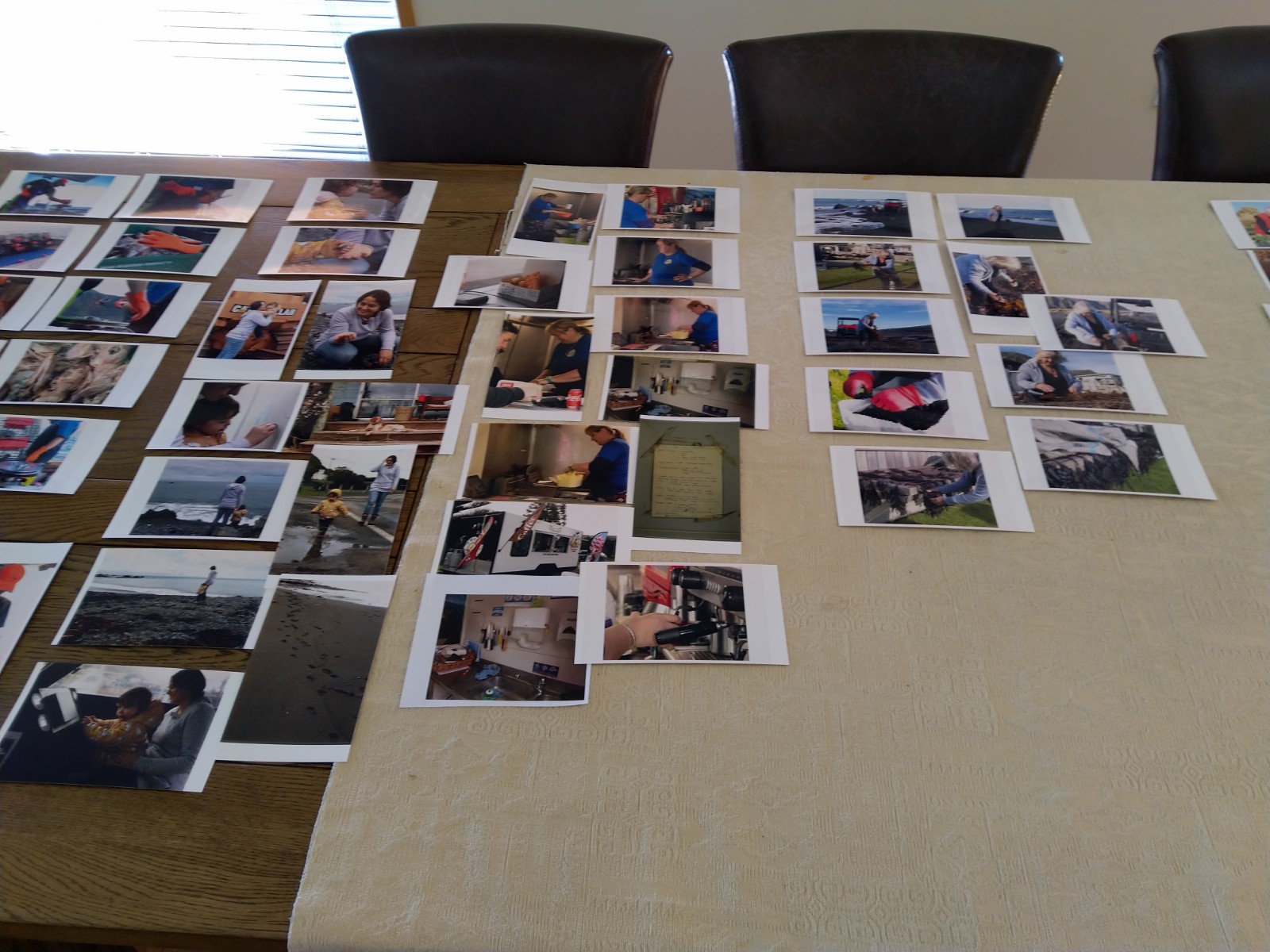
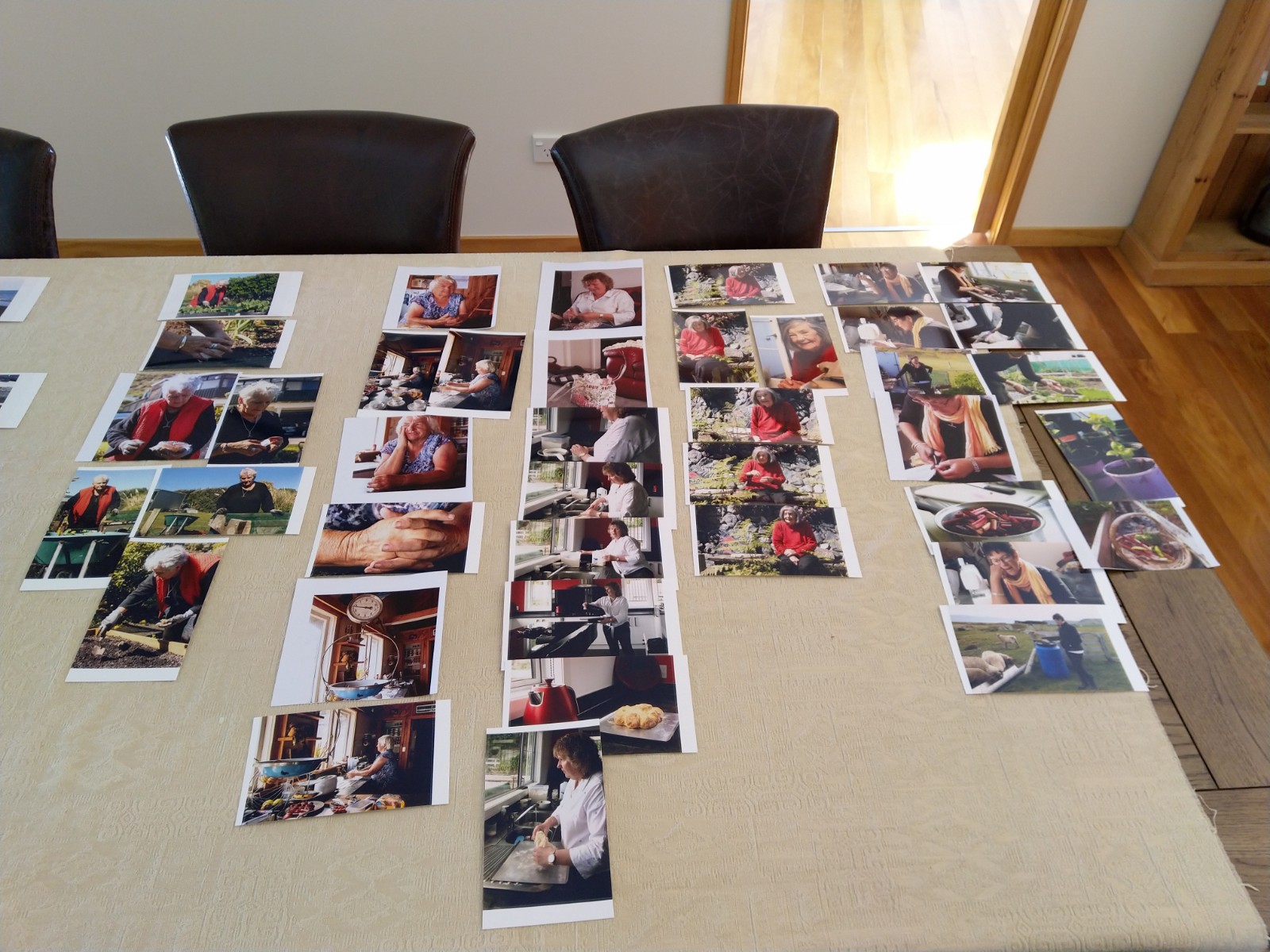
The selection of the female theme for Ngawi did mean that I would probably not use the majority of the images from Assignment Two, Street Panorama, Cray Project or that of the Cray Boat trip, which was a hard decision to make. I did however keep revisiting the images as I started to pull together the series.
The Series
Regardless of the final series i.e. video, exhibition, book I know that the series needs a beginning, an introduction to the location, a setting the scene. These first images need to show the viewer what Ngawi is like, the feel and mood of the place.
I reviewed the images I had printed and selected the following:
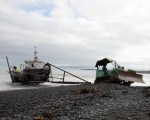
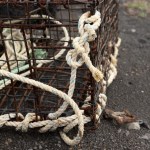
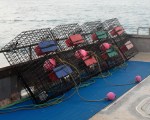
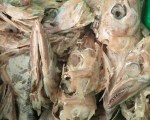
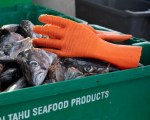
Although this introduced Ngawi and the main form of employment within the location it didn’t really offer any visibility of the village itself, so I reviewed images from my initial Assignment One and selected the following image:
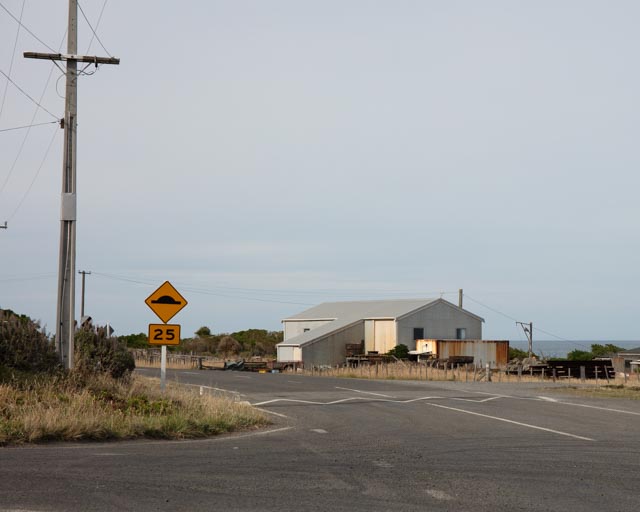
This image I feel gives the mood of isolation and would be placed after the old walking boot. The overall introduction gives a very male environment, male boot, tracker, cray boat, cages and bait.
I decided that the next section would be divided up, one for each of the ladies I photographed, trying to capture them in their environment. I needed a natural divide to indicate a section break and so instead of my original idea of a still life to represent them I decided on a portrait formatted image with the rest of the section in landscape mode.
To end the series, I have returned to the ‘male’ feeling, linking back to the hardness of the location, showing that although the images are all of women and for me, they are backbone of the community there is still the all-male presence to the location.
I don’t think I have fully edited the series and I think there are a number of gaps and changes to be made but I have pinned them to a wall so that I can continue to edit, add, remove and return to the location to find fill in images.
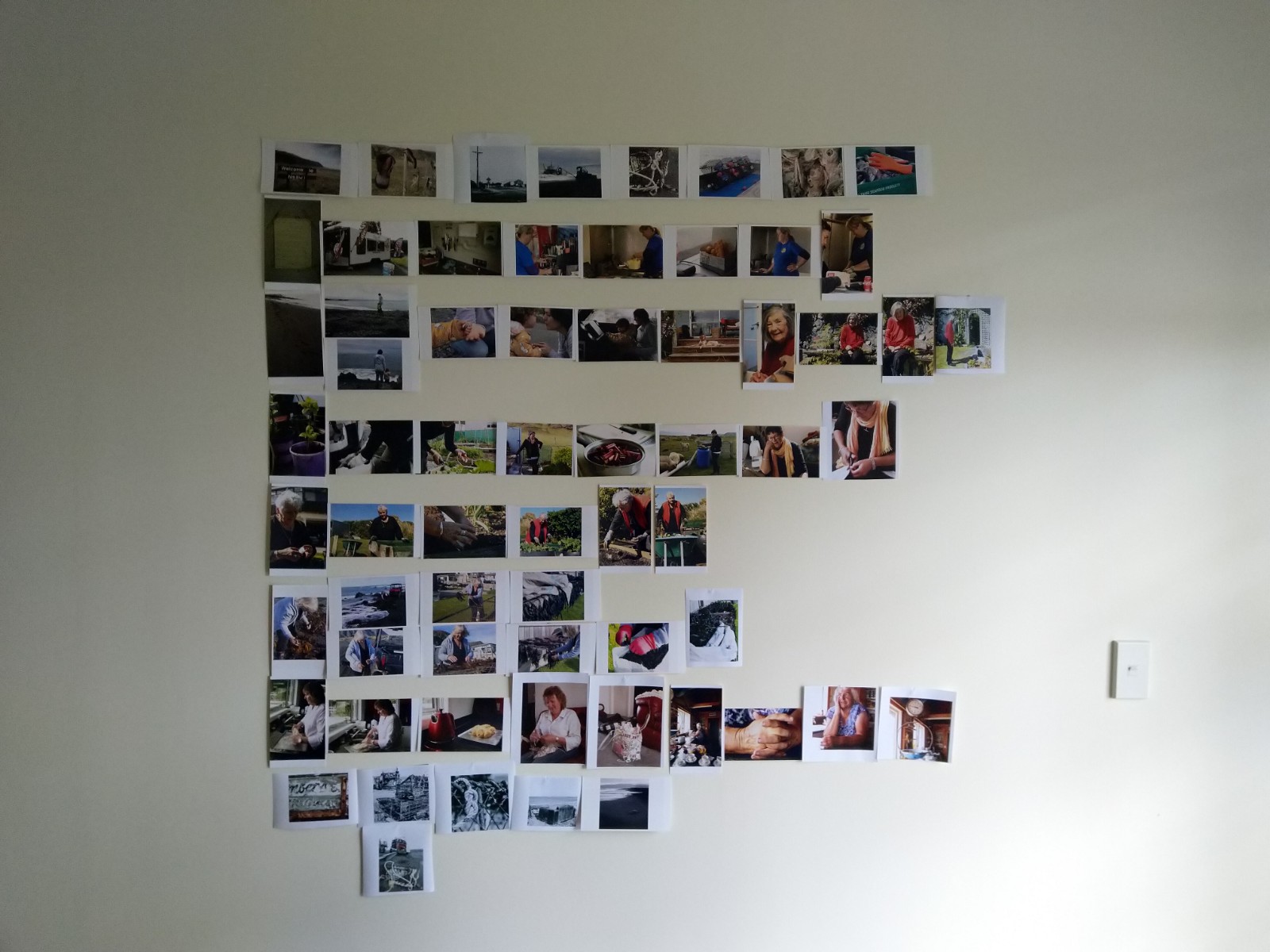
The series is difficult to see from this image so I have added a location on my blog site here so that the full-sized images can be viewed.
Demonstration of technical and visual skills
Having settled on a theme I have now tried to develop a story around that theme. The female strength, the sense of community, isolation and although it is a very male environment, they are present in their absence.
As a photographer I have never been that comfortable with portraiture and found it difficult to direct people and so the role of observer was a much easier way for me to capture my subject. By engaging in conversation first, sitting over a coffee and getting to know their story, history and working life within Ngawi I think but both them and me in a more relaxed mood so that I could obtain the best images as possible in the shortest time.
I have used a range of technical skills and lens to obtain a range of environmental, portrait and close-up images to tell the story of these women in their homes and surround areas of Ngawi. Overall, the processing has been consistent but I would like to consider a black and white series as a comparison as I think my black and white images are stronger and more consistent from a processing perspective.
Quality of outcome
Overall, I’m still happy with the progress to date. The editing side has not been easy as there are a number of images that I would like to have retained but they are either strong individual images or fall outside of the current theme to this project. Portrait photography as I have previously stated is not within my comfort zone so I believe I have really moved beyond that to improve my skill and move past my introverted self to gain access to these ladies and their private lives, to also gain their trust and to spend time to really get to know them before picking up my camera. I often find it easier to hide behind the camera, but taking time before hand I think paid dividends.
I still think that some of the images of the women were more successful than others. A number of the ladies seemed more relaxed and that I think can be seen in the images. I didn’t want formal posed images.
I think the series is a starting point and I will ask fellow students for feed back and comments and include these in my blog.
Demonstration of creativity
I have remained with the use of digital but using a variety of lens, focal lengths. As the theme is more documentary I moved away from the still life as a section break between subjects and have relied on the change of format, landscape to portrait.
As my aim is to complete an exhibition during the SYP section of this degree I would like to experiment more with different forms of printing. The workshop I completed in November 2020 (see Work in Progress section of blog) on platinum and palladium printing was a starting point to look at alternative methods.
Context
I feel I have settled on a strong theme for my Body of Work. I need to get feedback from my tutor and others which will I hope results in further suggestions for refinement.
Future work
As the world COVID situation continues I will not be able to produce prints for assessment which for me is a major disappointment. I will need to research alternative methods to show the series once a final selection of images has been achieved.
A number of fellow students have utilised online exhibition sites that are free to use up until assessment which could be the best way to achieve the look I would like for assessment. I will look into this and posy findings on my blog.
 Michele Usher