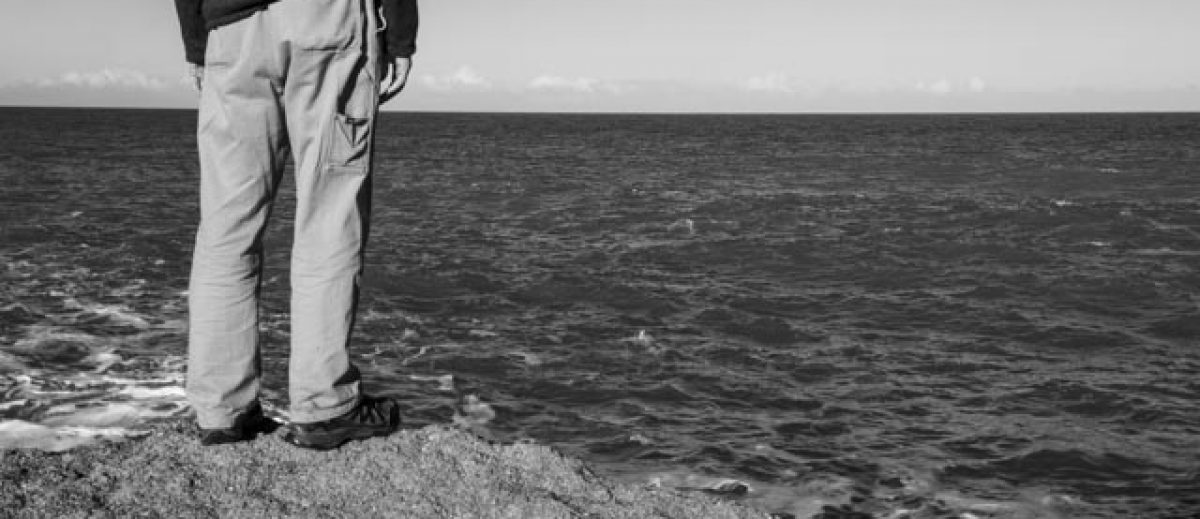
Second Shoot and rework
Spend some time reviewing your personal reflection and your tutor feedback. Develop a series of carefully considered images that moves your idea forward. Hand in this series to your tutor together with a new reflective commentary setting out where you plan to go from here.
Background and summary from Assignment One
It is important to note that this assignment is being submitted without receiving any formal feedback or review from either my originally assigned tutor or the replacement. It has been submitted understanding that I have continued at risk and may have to rework a number of areas once I finally receive some form of guidance. Details of the history behind this situation can be found on my thoughts and reflection pages, but as I don’t want to fall too far behind, I have moved on with my project.
As I highlighted in my first assignment my project is based around a small beachside community on the East Coast of the North Island of New Zealand called Ngawi. In my research of the area I was pointed in the direction of the work conducted by Jim Graydon a Wairarapa local that had produced a book on all the communities of the East Coast of the North Island. I have provided a summary of this in my Work in Progress pages of my blog.
Residents claim that Ngawi is the only settlement anywhere which boasts more bulldozers than people and my images for the first assignment I hope showed that. Due to the coastline they are the only way to launch boats into the water as there is no pier for mooring. By the late 1960s the main catch were crayfish and there have been a number of families that have remained in the area and the industry and the intension has always been to make it a permanent source for cray. In the 1980s the Ngawi Packers pioneered the export of live crayfish which ensured the development of the area and the industry. Until the 1970s, 90% of the catch was exporting the tails to the US. However, this all stopped when the government introduced the quota system which limited the volume of the catch. The factory which pioneered both the live export and the marketing into Asia closed in 2004.
One of the biggest impacts to the community has been the introduction of the ‘Individual Transferable Quotas’ for the rock lobster fishery. The number of commercial boats dropped from 11 in 2005 to 2 in 2012. The small fishing community has changed over the years and the demand for coastal property has caused the prices of property to rise, which means locals who have children that have grown up in the area and would like to stay now can’t afford to purchase property. Today the population is recorded as a permanent number of 30. There is no school bus, however those that remain in this small, isolated community have learnt to live with these outside influences and they resolve problems their own way. When there’s trouble the community resolves it in their own way, showing a strong sense of community, independence and resourcefulness.
Its these aspects of the community I want to try and capture in a similar to the work covered by Alec Soth and his project ‘Sleeping by the Mississippi’ (2004). For me his images capture a whole story in one frame even though he states “I believe that photography is essentially non-narrative. That, while it aches to tell stories, it doesn’t really tell stories that have a beginning, middle and end. This has constantly frustrated me about the medium, and I’ve been constantly battling it. What I’ve come up with, is that when I’m looking at a photographer’s work, I’m looking as much at that person’s experience as a photographer in the world, almost as if they are a first-person narrator, as I’m looking at the subjects of the photographs.” I don’t necessarily want to focus on the negative side of mental health which is a theme I’m trying to cover, but more of the positive community working together to fix the situation despite the isolation and external conditions they face – not only from the environment but also political.
Whilst research the subject further on photographers and mental health and the use of a single location I reviewed the work by Susan Lipper (additional information can be seen in my Research Log). Lipper an American photographer who’s work includes a project and book called ‘Grapevine’ (1994), which is one of the reasons I was drawn to her work. For about 20 years she has been traveling to a small community in the Appalachian Mountains of West Virginia called Grapevine Hollow. The images were produced between 1988 and 1994. The critic Gerry Badger has written that “Community, family, and gender relationships seem to be at the core of her investigation.” Lipper’s collaborative approach distinguishes Grapevine from social documentary photography; she describes it as “subjective documentary”. In a similar way I want to work towards reflecting this kind of approach to my images.
The Grapevine Hollow community consists of few trailers and mobile homes of about 50 residents in the middle of a part of the United States badly hit by the decline of the coal industry, where alternative industries include distilling moonshine, and the newer initiative of cultivating marijuana. Lipper found the community while on a cross-country trip. In the same way Ngawi consists of small properties for both permanent residents and those that drift in during the height of summer or at the weekend for a fishing session.
Her personal commitment to the community not just as subjects, but as people and as friends I think shows in her images, but yet Lipper uses the words of Richard Avedon: “My photographs are works of fiction. Any truth you see is my truth.” I don’t believe that her images are in any way artificial, dishonest, or unauthentic. “This series of pictures is my journal,” she says of the Grapevine project.
“I began photographing in Grapevine because it was as far removed from the life I knew in New York City as it was possible to be,” Lipper says. Grapevine Hollow is said to be a typical small rural settlement, an isolated cluster of single or multigenerational family units, most of them interrelated. In a similar way to the work of Soth human relationships lie at the core of Susan Lipper’s work. She has said that she was drawn to Grapevine because of its people and family.
I think my initial images show a base understanding of the location, the lack of residents may give a feeling of isolation but that needed to be explored more and so I selected a few from the initial shoot of the 30th December and reworked them:


I also explored the local beach front and tried to find different angles and perspectives to shoot from:
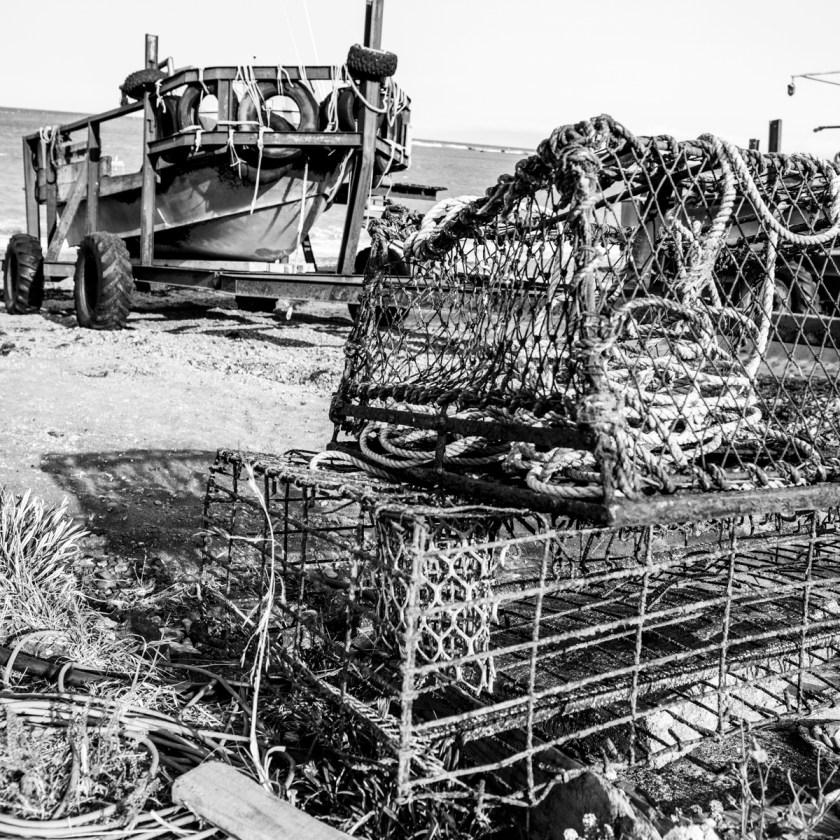

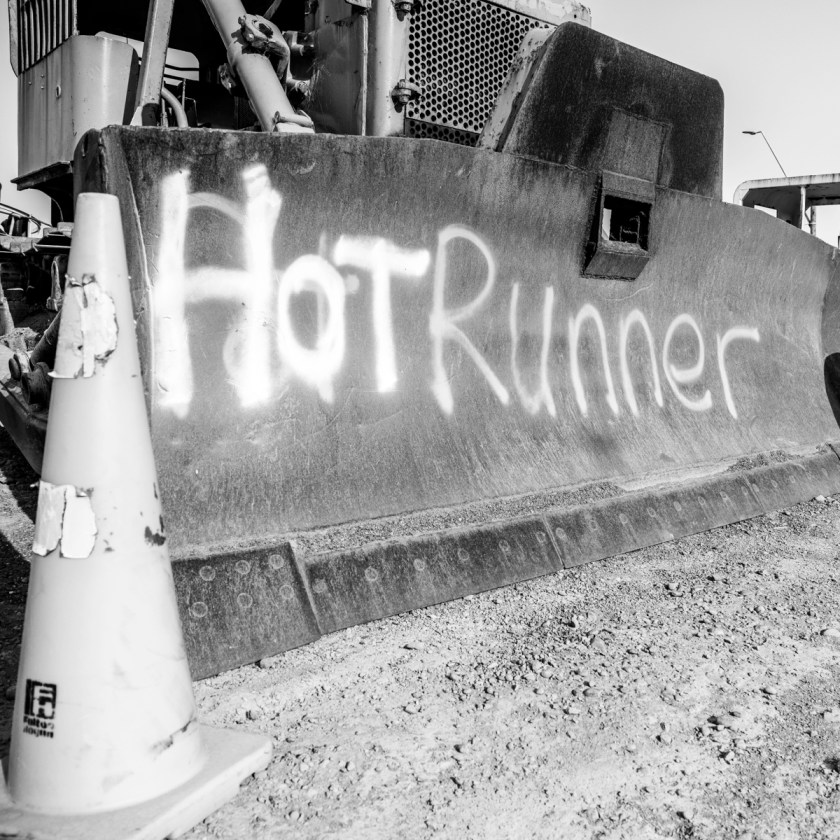
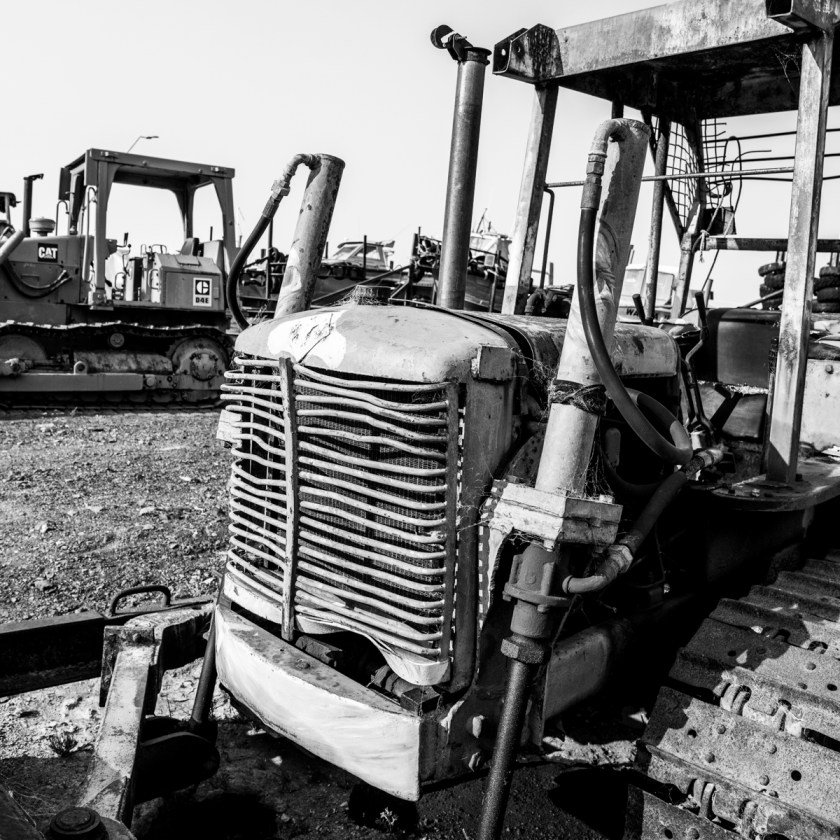
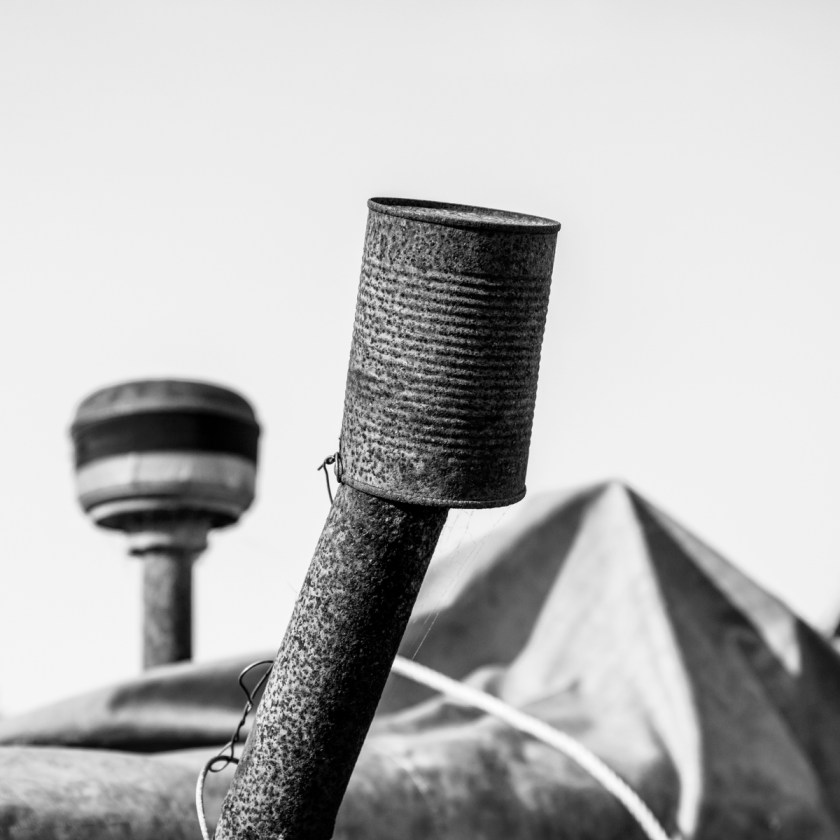


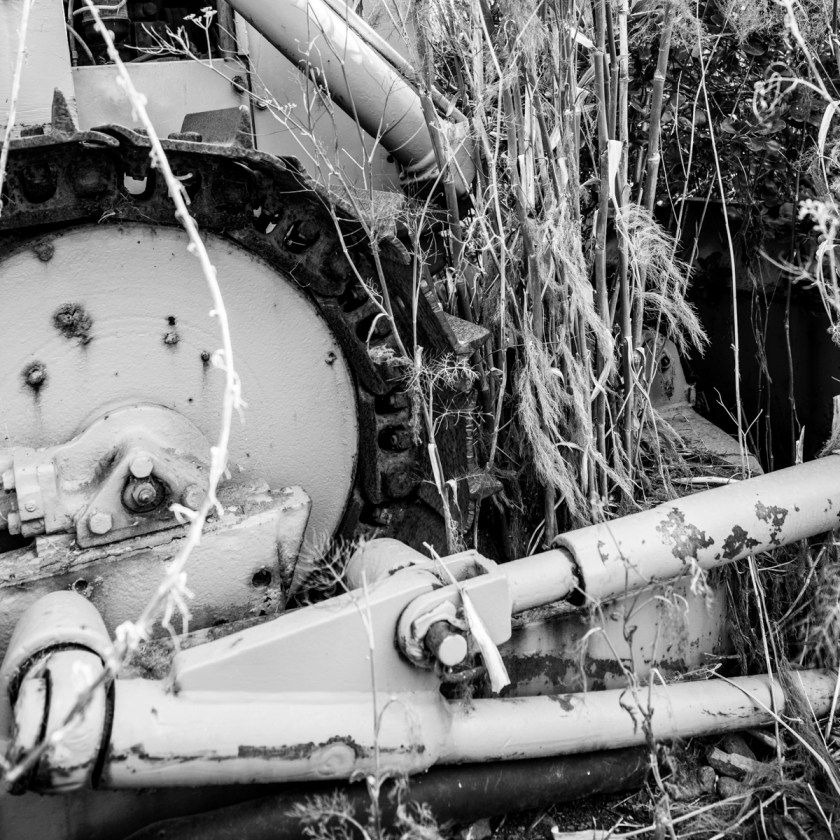
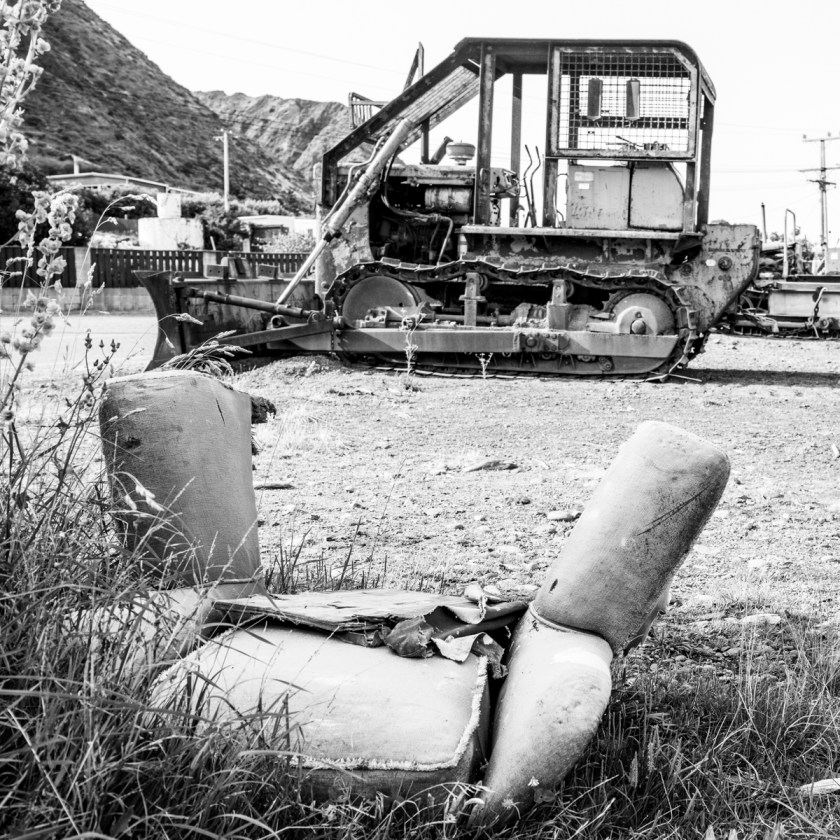
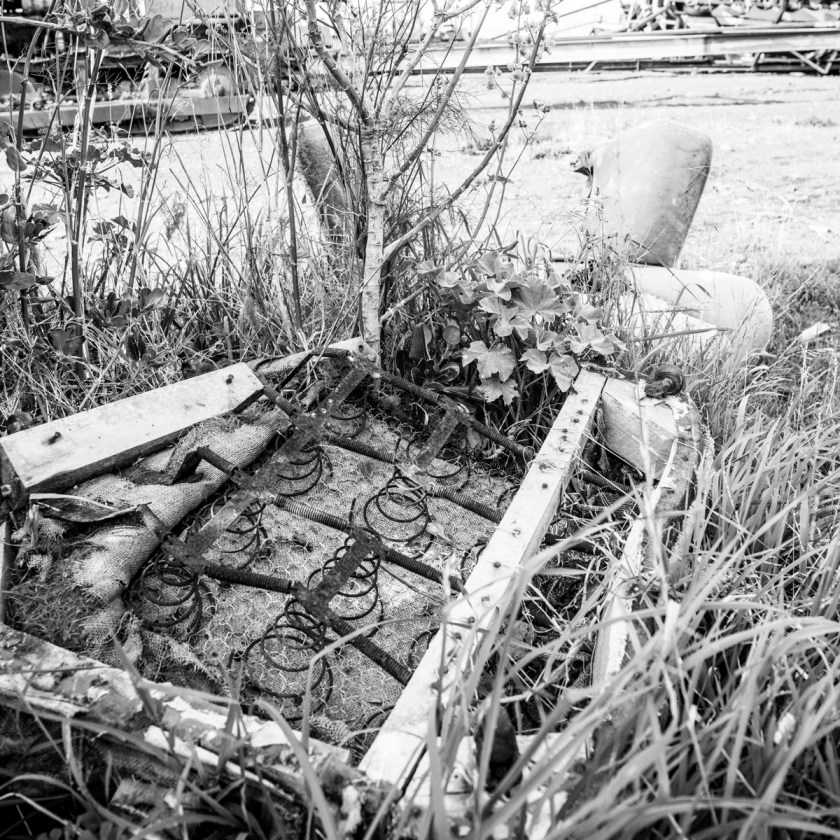
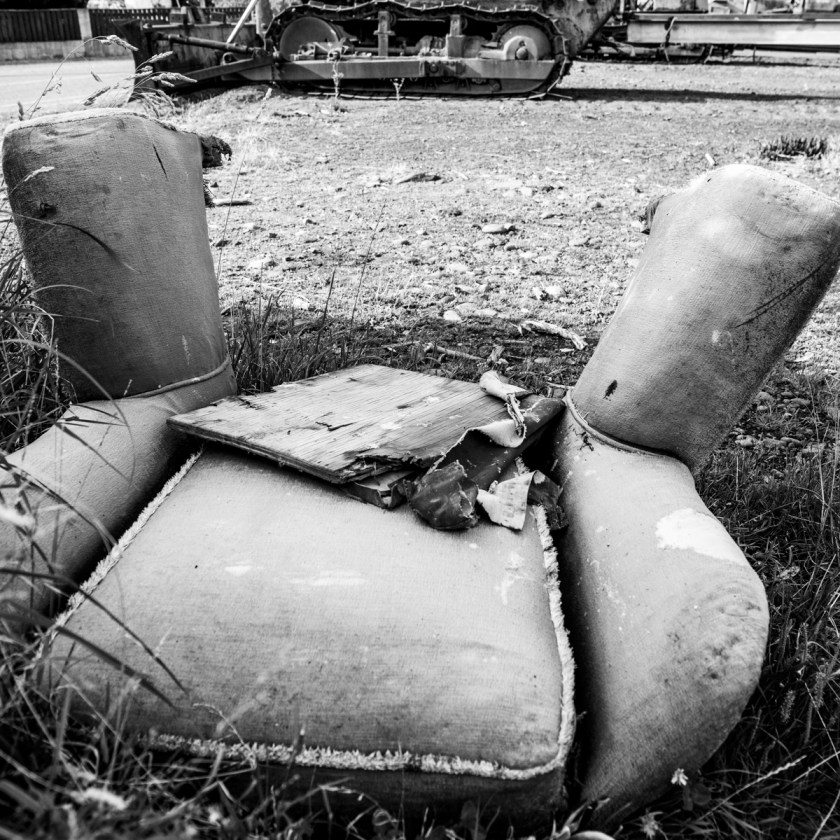
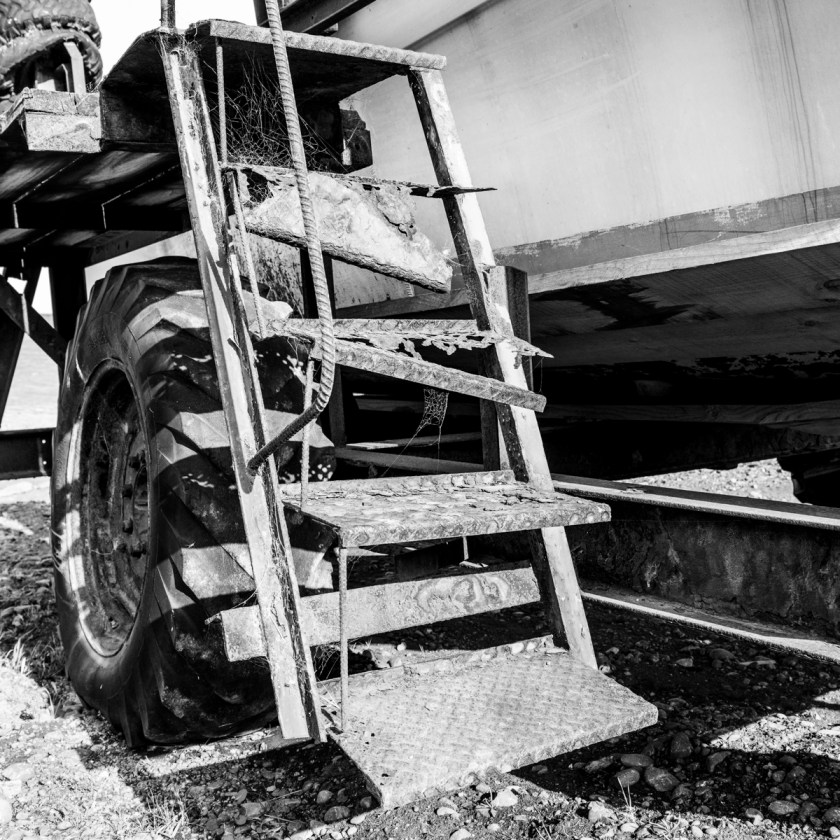
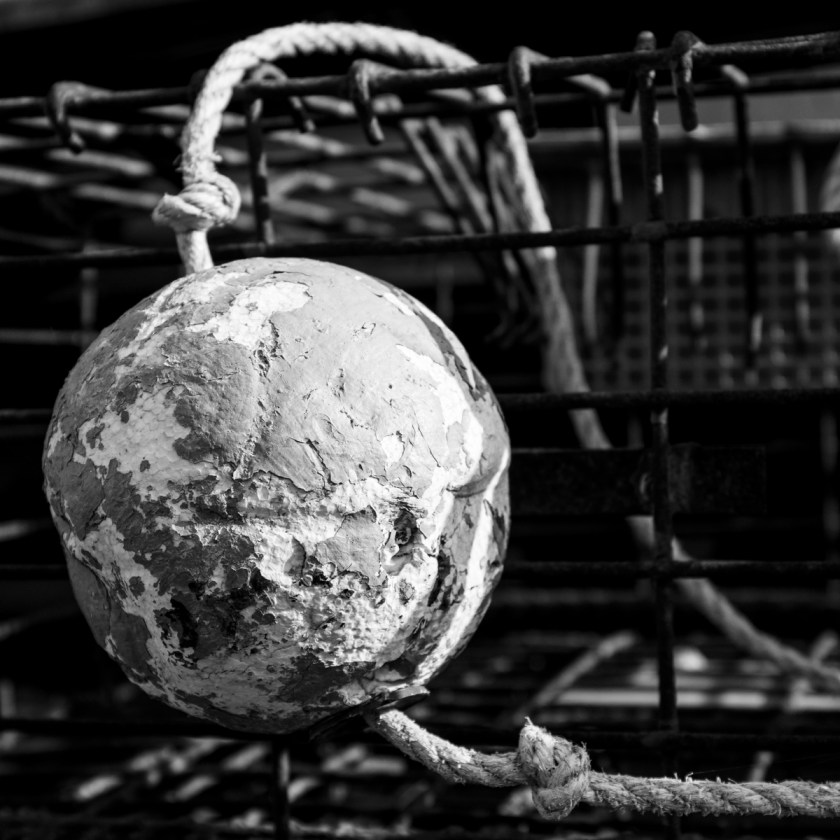
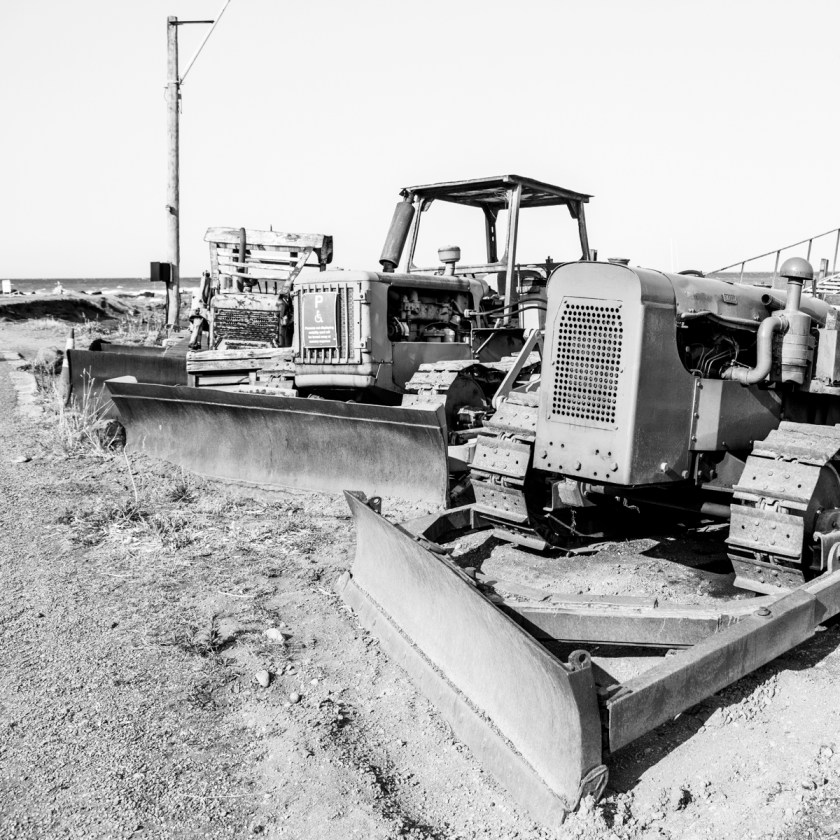
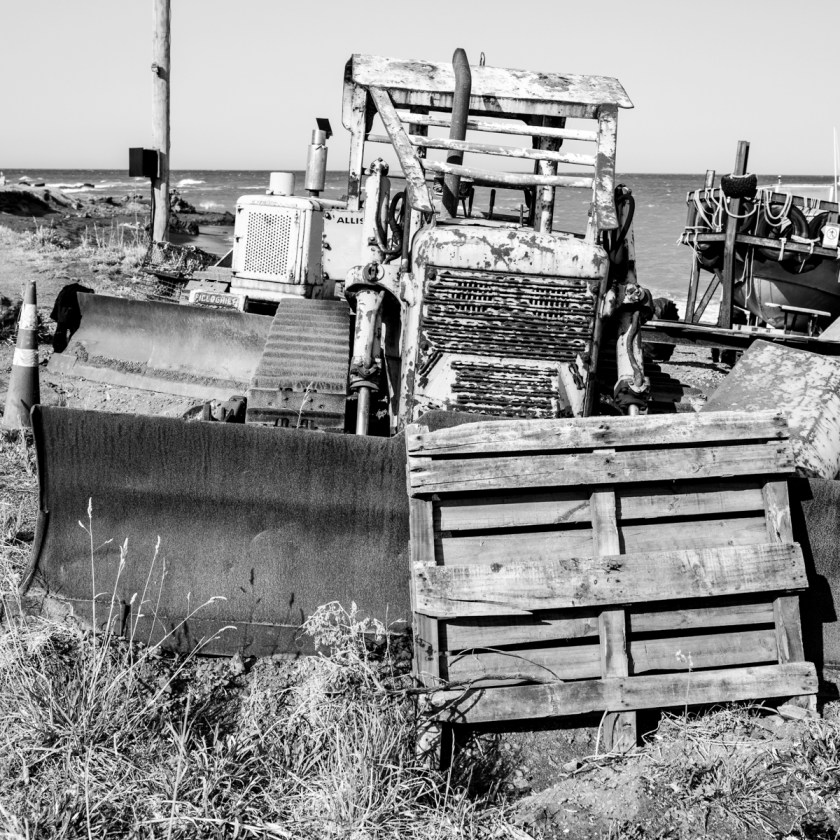

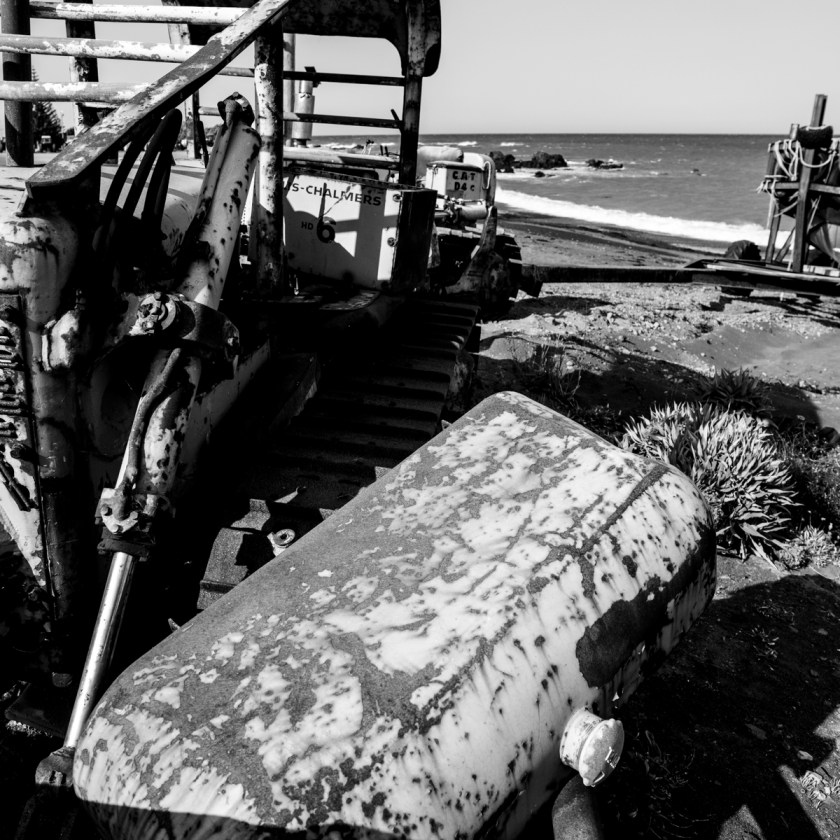
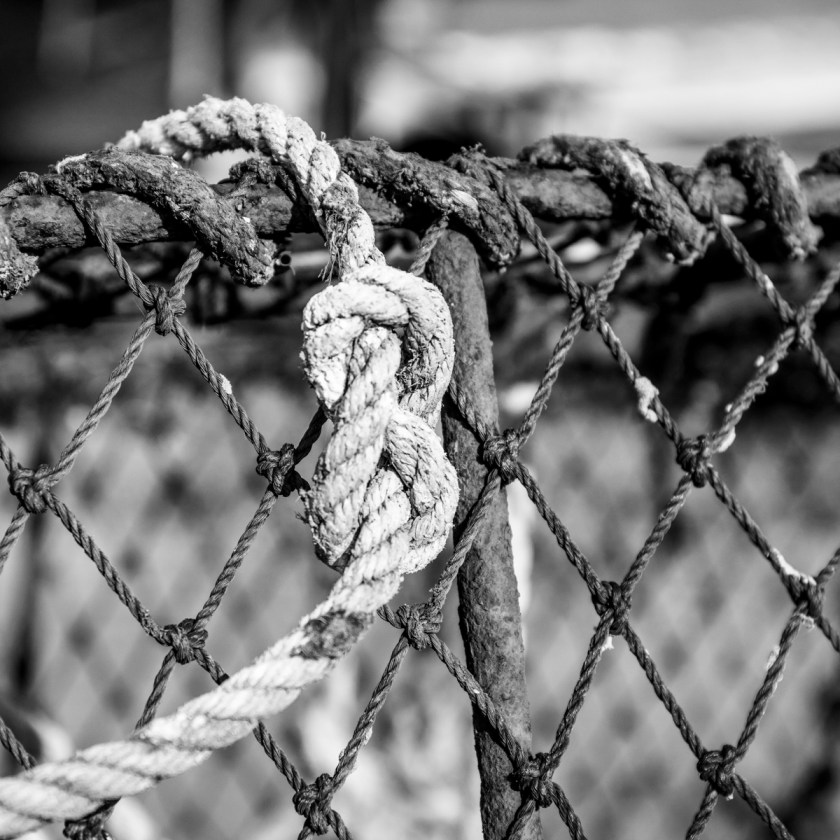
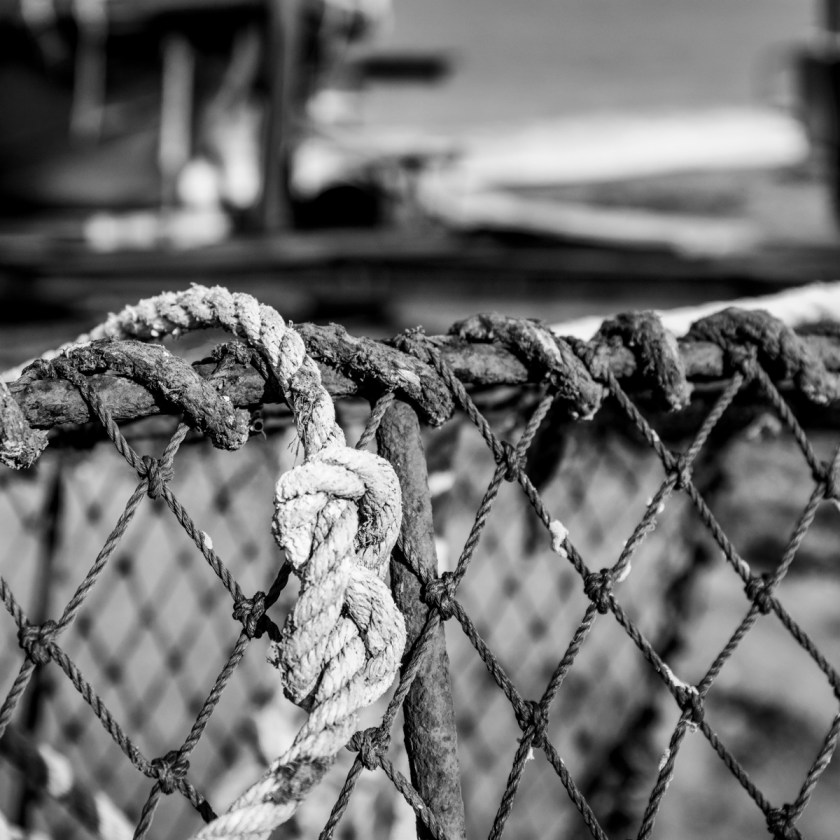
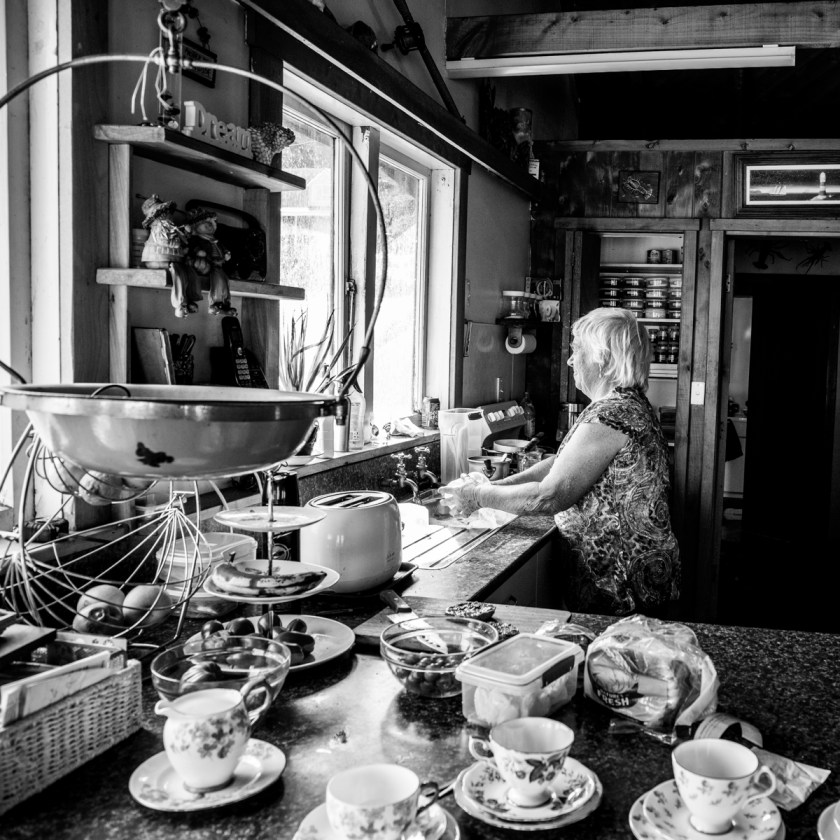
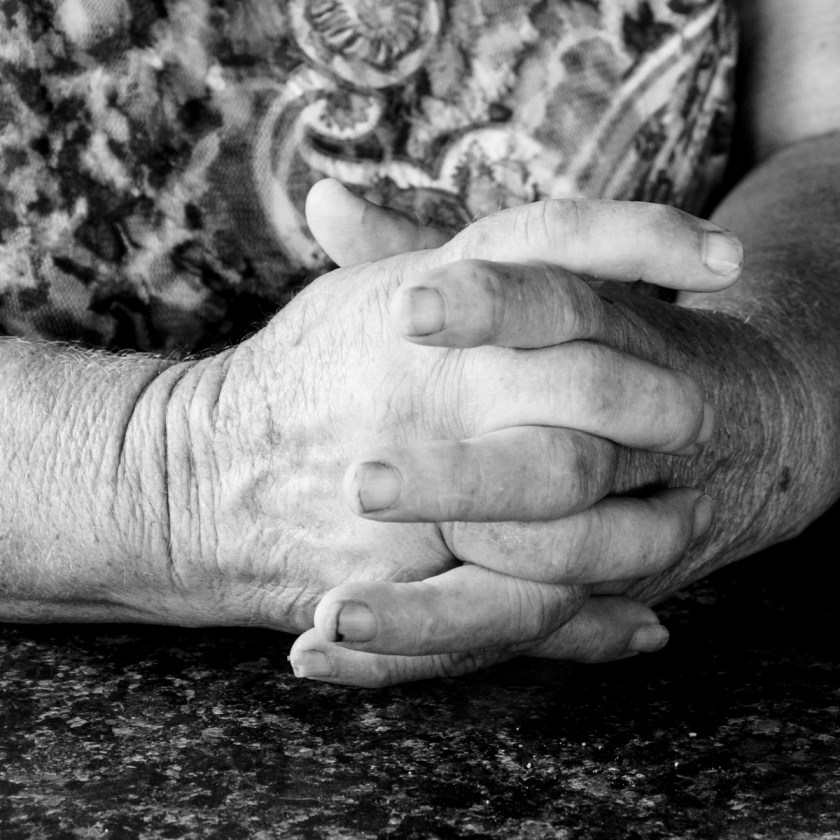
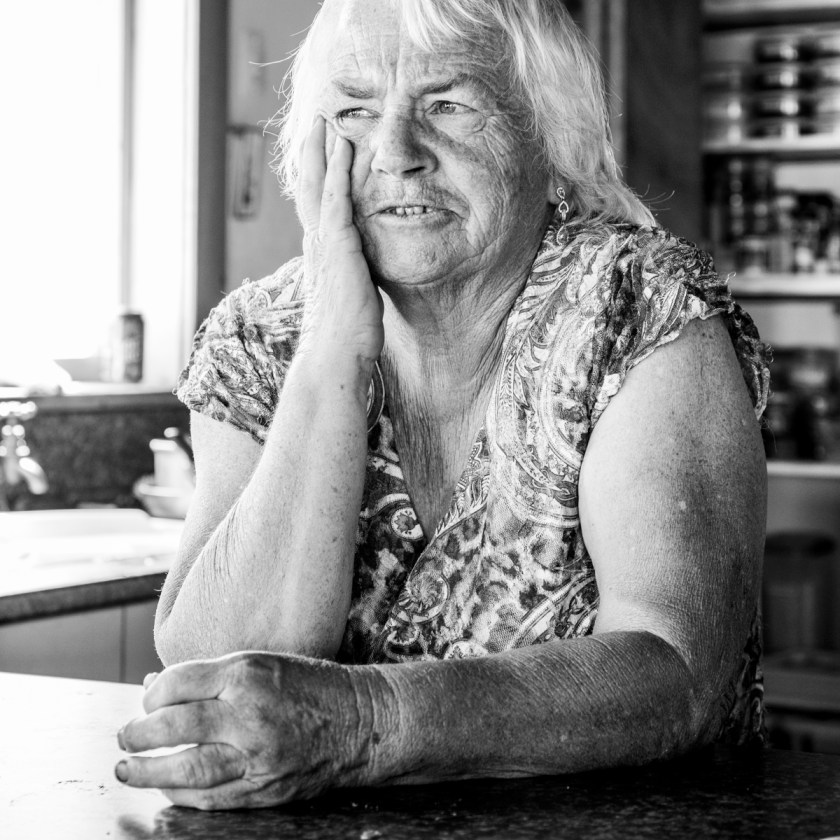
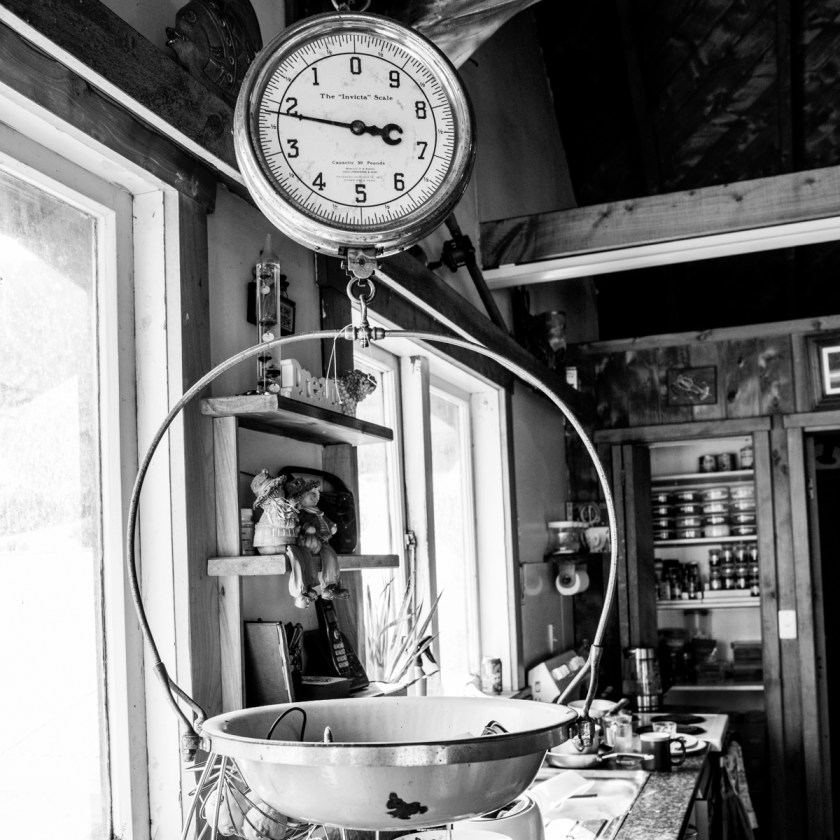
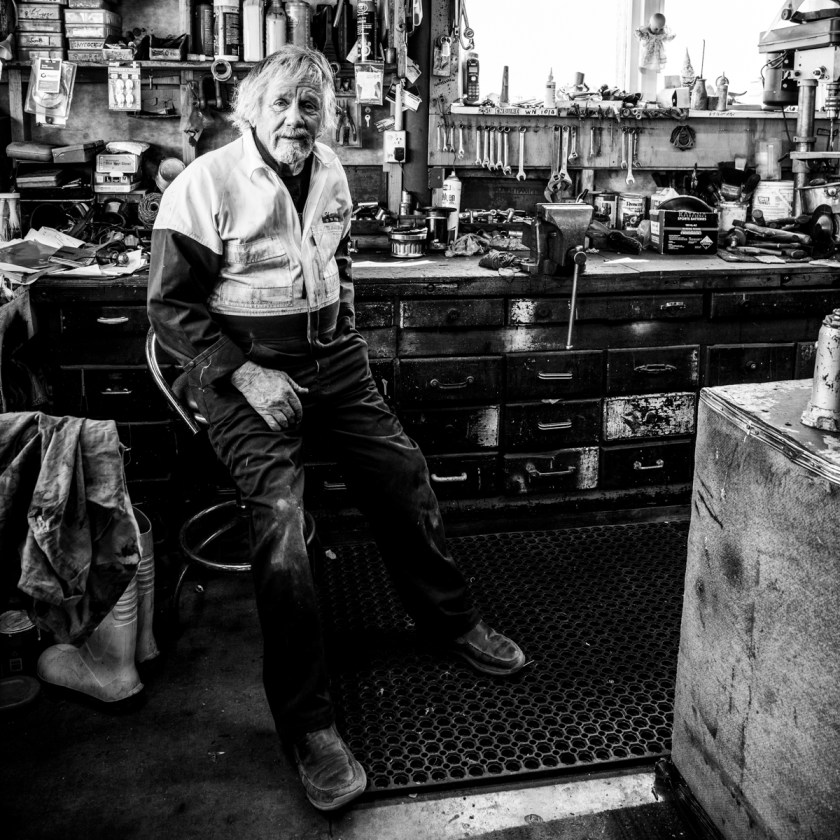
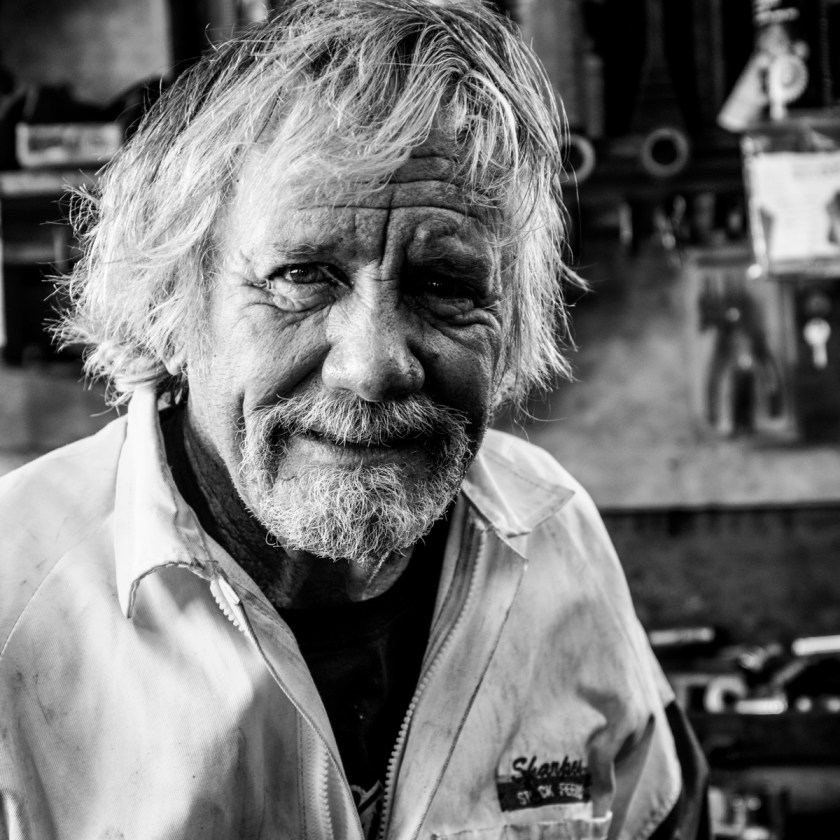
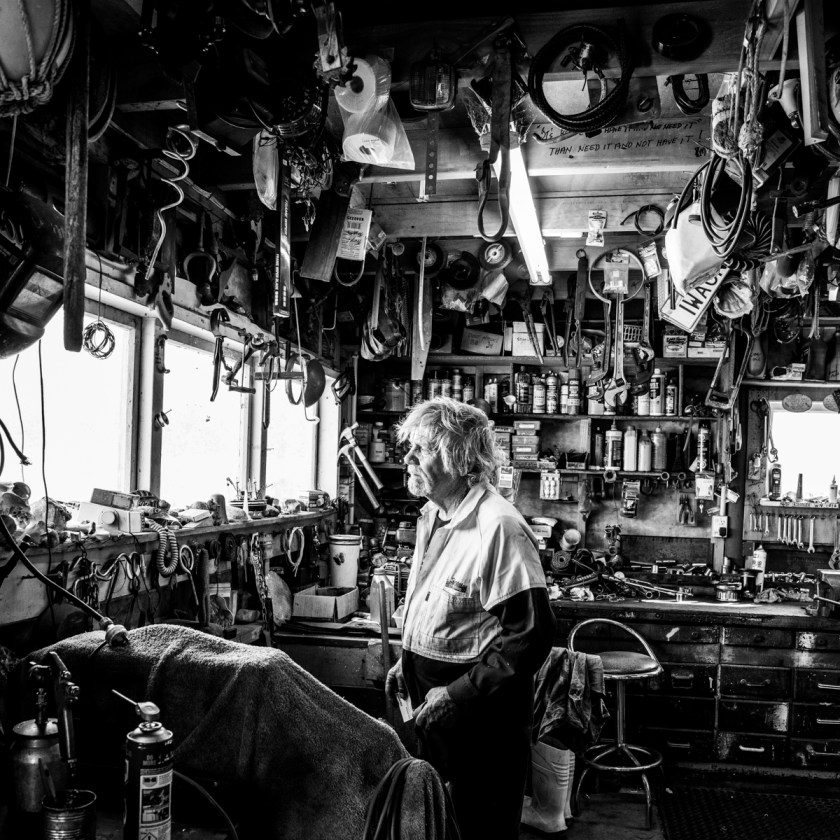
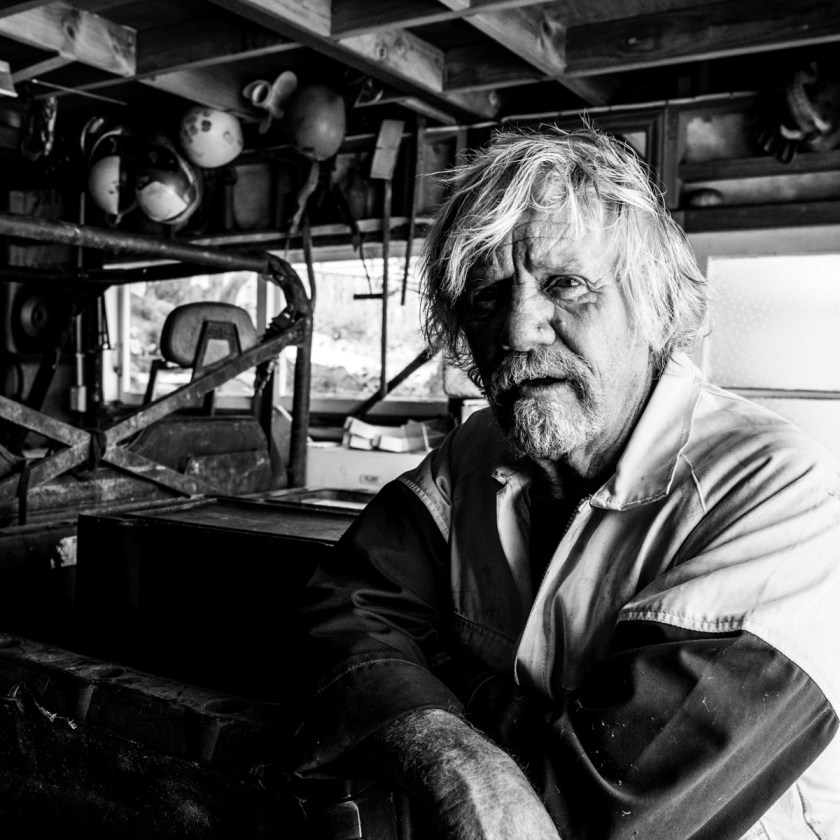
During my initial session at Ngawi I met and gained the contact details of one of the local residents (see Work in progress pages for further details) and managed to set up a one-on-one session. Not quite like Alec Soth, but I hope to get there):


Demonstration of technical and visual skills
I think these images have a stronger narrative than the initial ones. For the initial session I was not really focused and so they come across to me a snaps, useful for reference images but nothing else. The images I have reworked seem to have a stronger impact and the format works well. With the second session I have used a series of different techniques and angles to try and bring out the feel of the location more. I think these images so the isolation and abandoned equipment left to rust of the shoreline.
The time to explore the location was considerably easier this time as I went on my own, so no time constraints from a bored partner. I plan to expand the personal side more. Photographing other residents in their homes or places that they feel comfortable in.
Quality of outcome
Overall despite the lack of feedback and support from my tutor I think the images have progressed well from the initial photoshoot of the 30th December. I would like to explore the personal side and not just rely on location images, that said I am thinking of extending my images to along the coast to the Lighthouse and the shoreline will really demonstrate the isolation of the community. I would also like to capture more of the extreme weather conditions that the live and work in so this may mean a closer watch on the weather report and a drop everything and go.
Demonstration of creativity
Following the initial get out and shot direction of Assignment One I made myself slow down and really get out of my comfort zone by undertaking a portrait photoshoot. Over the Christmas holidays I completed the Alec Soth Magnum on-line course. Through this I learnt about his processes of approaching complete strangers and talking to them. This for me was extremely nerve racking, as a complete introvert it really pushed me but by taking his advice and talking to people first, getting to know something about them before getting out my camera, both of us were able to relax and I think get some reasonable images. This area I would like to explore more and hopefully become more comfortable with. I don’t think I will ever be a portrait photographer.
Context
I feel as if this part of my course has suffered due to a lack of direction from a tutor however I have continued to work and trying to find new angles but the majority of my time seems to be focused on the contextual studies and trying to find the right direction for the literature review. I feel as if I’m not doing enough research or work towards my BoW final submission. I hope that this will improve before too long
Future work
Over the next few weeks I will continue to try and make contact with my new tutor and progress finding additional volunteers. For the latter I plan to draft an introductory letter and drop these into the post boxes in the community, hopefully some will respond to my request especially if I offer copies of the images or prints.
I think I will also try and find some archive images of the location and maybe experiment with diptych images. Old images maybe available through the Masterton Archive Community – a group I found on line who provided me with details of the work by Jim Graydon (See Work in Progress).
Bibliography
https://alecsoth.com/photography/projects
https://www.magnumphotos.com/arts-culture/alec-soth-sleeping-by-the-mississippi/
https://www.lensculture.com/articles/alec-soth-sleeping-by-the-mississippi
https://www.mmam.org/blog/2019/5/9/soth
https://www.susanlipper.com/text_gv_badger_1.html
https://www.theguardian.com/artanddesign/2010/oct/13/susan-lipper-grapevine-series-south
https://susanlipper.com/text_gv_edwards.html
https://www.itsnicethat.com/articles/susan-lipper-grapevine-higher-pictures-201216
 Michele Usher