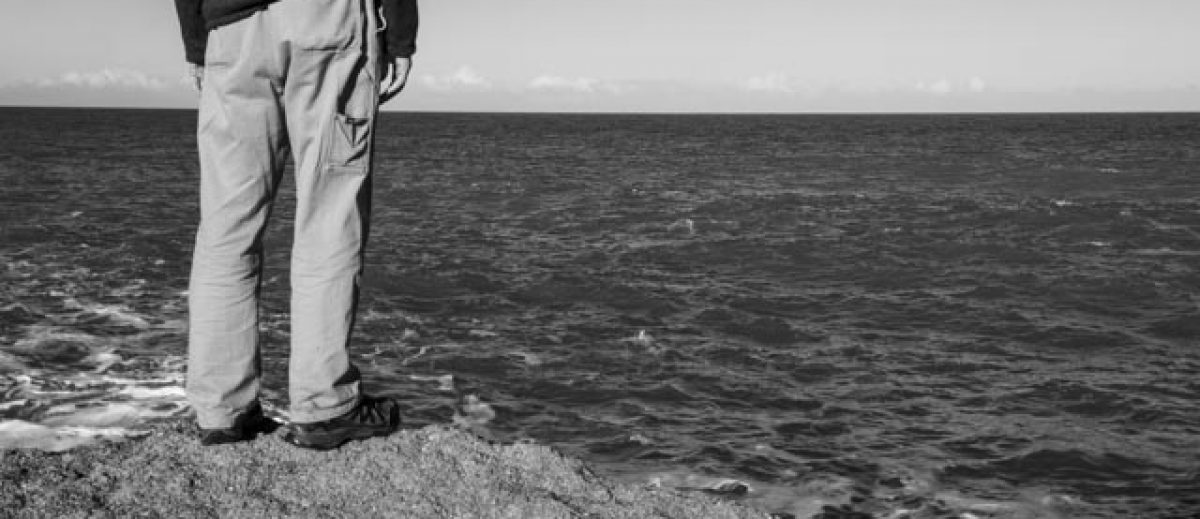
A Manx (name given to a person from the Isle of Man) photographer who is known for his ‘gritty’ black and white images of people and places. In 1988 Killip produced a body of work based in the Northeast of England called ‘In Flagrante’. The work were all black and white images, made on 4×5 film. They have been considered as among the most important visual records of living in 1980s Britain. Gerry Badger (an English writer and curator of photography and photographer) describes the photographs as “taken from a point of view that opposed everything [Thatcher] stood for”, and the book as “about community”, “a dark, pessimistic journey”. The book was reproduced in February 2009. In a review of this reproduction, Robert Ayers describes the original as “one of the greatest photography books ever published”.
Reading the article by Laura Hubber (2017) in conversation with Killip I want to try and capture and gain a similar feel and relationship with the residents of Ngawi. The use of the large format camera helped this as Killip says ‘When you make a portrait of someone with a plate camera, it takes time, and it gives the person a chance to address the camera. For a want of a better word, it’s more serious. It’s not a casual thing, and it’s the paraphernalia of using the plate camera that emphasizes that, too. I think it works to your advantage.’ Although I don’t have a large format I would like to start to reuse my Hasselblad. I aim to spend a number of weekends there even though I’m only an hours drive away – there are a number of Airbnbs available.
“You’re going to get a picture by being there. It’s never easy. Sometimes you’re good and they’re good…I’d never seen them before and I never saw them again.” —Chris Killip

Bibliography
Research
Websites accessed 23/12/19
https://en.wikipedia.org/wiki/Chris_Killip
https://blogs.getty.edu/iris/caught-in-the-act-a-conversation-with-photographer-chris-killip/
https://www.getty.edu/art/exhibitions/chris_killip/
https://www.all-about-photo.com/photographers/photographer/264/chris-killip
Notes from Work in progress blog 8th April 2020
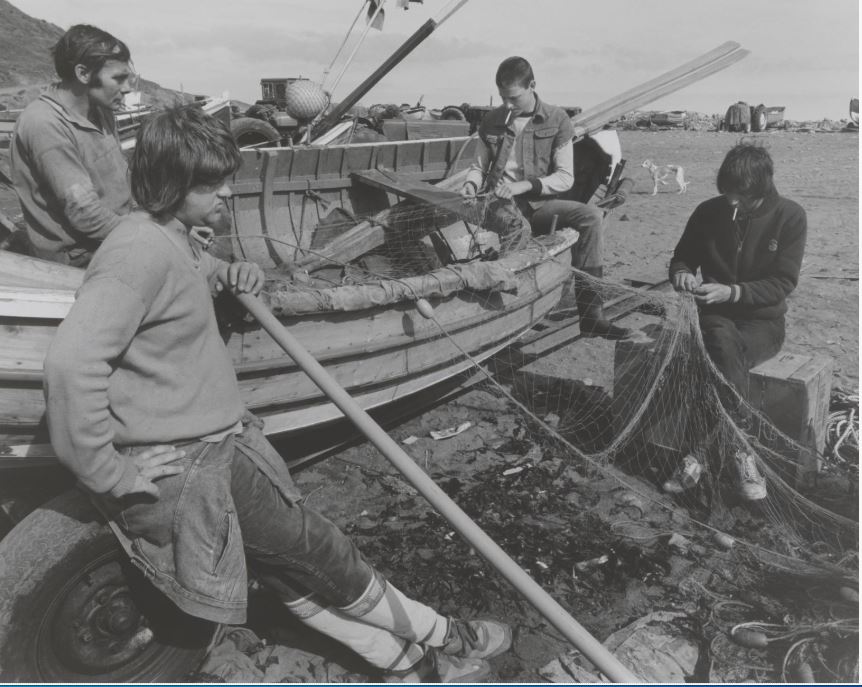
My tutor recommended that I look back again at the work by Chris Killip and the images and work he undertook at Skinningrove a North Yorkshire coastal town between 1982 and 1984. The town was heavily reliant on a single industry – iron smelting. In a similar way Ngawi is reliant on the sea and the export of crayfish to China. At the time of his images the North Yorkshire area was facing mass unemployment and they were attempting to make a living from the sea. Ngawi is currently facing a major issue with the COVID-19 pandemic and the fact that it can’t export its main source of income – live crayfish – to China. Killip is known for his series of images from the North of England and focuses on the changing landscape and increasing poverty. He is known for immersing himself in the community and building relationships in order to show a sensitive side to the locals which is probably hard to do if you don’t come from the area. In a similar way Ngawi is a close-knit community, they look out for each other and have learnt to make do and mend. Its not a simple five-minute drive to the local hardware store, it’s a 4 hour round trip.
Killip states that Skinningrove cannot be seen from the road, the village is very insular and they are very protective of the village and not particularly friendly to outsiders. Ngawi is probably similar in size but unlike Skinningrove they are used to strangers as the population grows at peak holiday times with campers and local bach owners.
The local houses were built for the iron ore miners and in a similar way the properties of Ngawi were built originally for the lighthouse owner and then farm hands and finally those finding a living from the sea. In Skinningrove the men worked in both the mine and at sea for lobsters, in Ngawi its cray. In both locations they use tractors to take the boats into and out of the sea. According to Killip he only published a small number of images (4) (In Flagrante) from the project but in the film I found [https://www.youtube.com/watch?v=ENzA-vIwAgQ] he shows other images that had not been published before. He talks about the relationships he made, the loss of two young fishermen and the wonderful sense of place he had. They are a documentary of the time, from the rubbish left on the streets to stop the local council developing the site to the punk rock. Killip talks about the loss and the young lives he interacted with. The inhabitants don’t even notice him as they hang about fixing boats, taking in the sun or on the beach looking for shell fish.
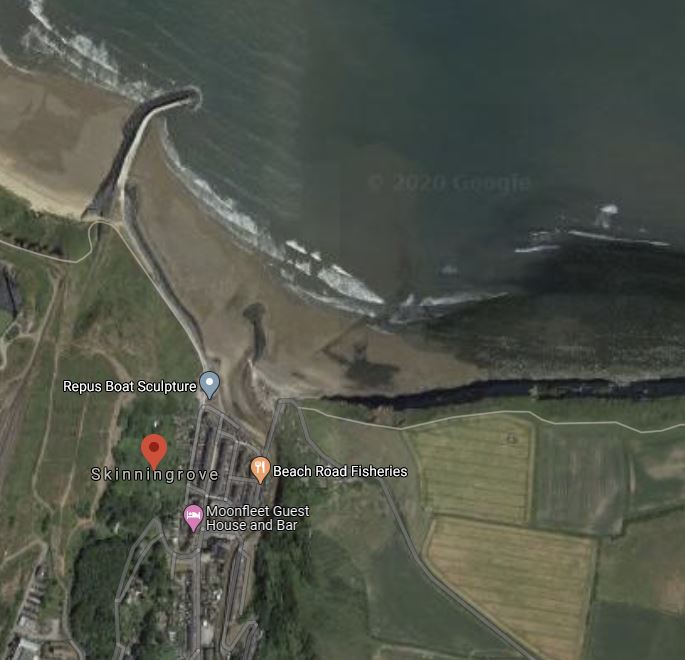
I looked Skinningrove up on Google earth and the location of a single road in and out is very similar to that of Ngawi:
Skinningrove:
Ngawi
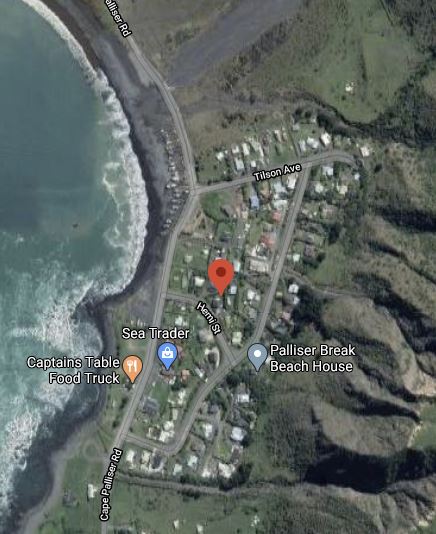
My project in a similar way to Killip will be based around the core residents of the community and I may even just focus on the first couple I photographed for Assignment 2 and return to them, maybe even follow them for a few days, but at this early stage I hope that my letter drop results in some connections.
Websites accessed 08/04/2020
https://monovisions.com/chris-killip-skinningrove-1982-84/
https://www.tate.org.uk/art/artworks/killip-cleaning-nets-skinningrove-p81046
 Michele Usher